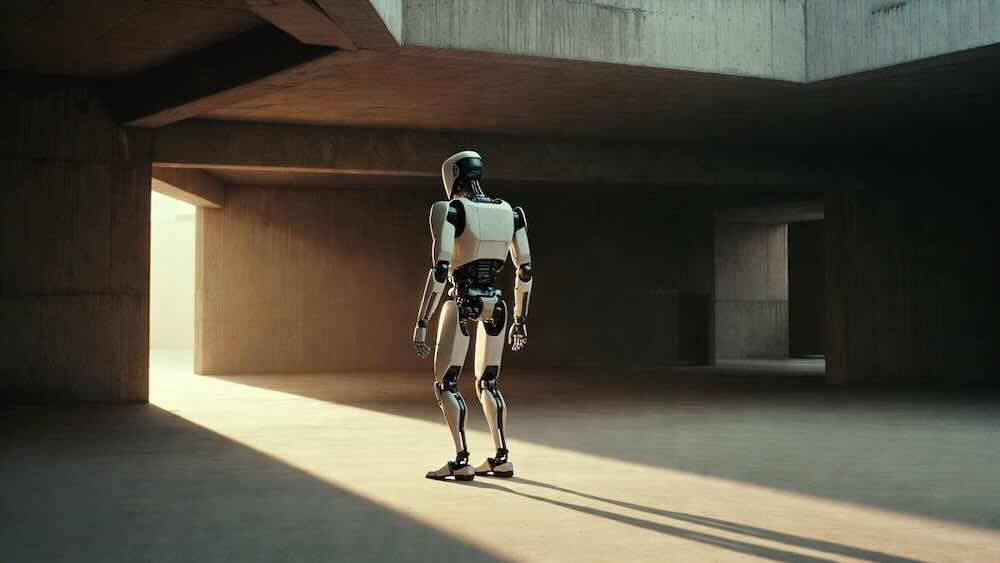
What happened: Schaeffler and Chinese robotics company ROKAE have signed a strategic cooperation agreement covering R&D, supply, and deployment of core humanoid-robot components, with a specific focus on integrated joint modules. Translation: the “boring bits” that decide whether your humanoid is a worker or a very expensive trip hazard.
Why it matters: The deal is about industrialising the component stack, not just showing a demo reel. Schaeffler positions itself as a core supplier (sensors, harmonic drives, precision manufacturing), while ROKAE brings full-stack robotics experience and industrial deployment, the part most press releases mysteriously forget exists.
Wider context: As humanoids move from “look, it walks” to “prove it survives a shift”, joint modules, reducers, and supply chains start mattering like they’re the product. Partnerships like this are a tell that the market is trying to turn embodied intelligence into something you can actually order, ship, and maintain.
Background: Gasgoo notes Schaeffler’s push into humanoid robotics, including establishing an embodied-intelligence robot entity in Taicang and a prior partnership with Leju Robotics focused on industrial applications, data training, and R&D aimed at accelerating deployment.
Schaeffler Signs Strategic Cooperation Agreement with ROKAE — Gasgoo
Droid Brief Take: Humanoid hype lives and dies in the joints. If you cannot build reliable, serviceable actuators at scale, your “general-purpose robot” is just theatre with knees. This is the industrial supply chain quietly sharpening the knives.
Key Takeaways:
- Joint Modules: The partnership explicitly targets integrated joint modules for humanoid robots, aiming to cover R&D, component supply, and deployment, the full arc from lab parts to machines that have to keep working.
- Component Stack: Schaeffler highlights strengths in sensors, harmonic drives, and precision manufacturing, and frames itself as a core supplier for ROKAE’s embodied-intelligence joint modules.
- China Footprint: Schaeffler is building a China-centric embodied intelligence pipeline, including a Taicang entity focused on humanoid subsystems and a prior Leju Robotics partnership that covered industrial applications and data training.