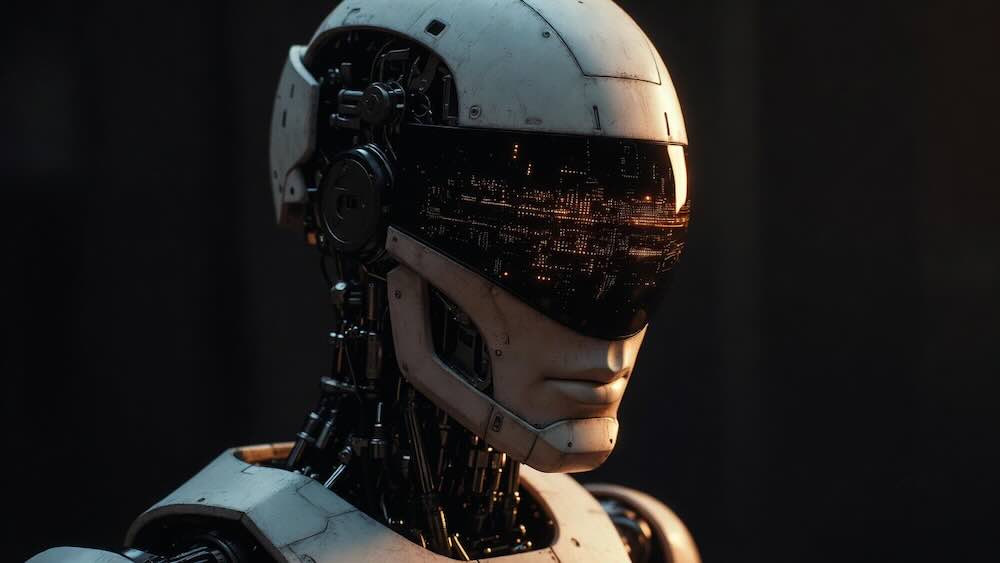
What happened: Toyota Research Institute CEO Gill Pratt told IEEE Spectrum the big shift in humanoids is not the body, it’s the brain. He argues recent AI methods let robots learn by demonstration instead of hand-coding every move, which is both exciting and bad news for anyone selling “magic.”
Why it matters: Pratt frames today’s robot learning as “system one” pattern matching (fast, reactive) that still lacks “system two” world-model reasoning (slow, imaginative). Without that second layer, he warns, we risk overpromising now and eating a trough of disillusionment later, with investors as the main course.
Wider context: He links the moment back to the DARPA Robotics Challenge, which mixed semiautonomy with real-time teleoperation, and suggests the modern version is “mostly autonomous, occasionally calls home.” That hybrid already props up autonomous vehicles, and it may be the pragmatic bridge for humanoids too.
Background: Pratt points to TRI’s diffusion policy and “large behavior models,” which aim to learn many tasks while reducing per-task data needs by sharing skills across behaviors. He also notes legs are not always practical, and it’s odd seeing legged robots pushed hardest in flat factories that were basically designed by Big Wheel.
Humanoid Robots and the AI Brain Shift — IEEE Spectrum
Droid Brief Take: Humanoids are getting smarter, but Pratt’s point is deliciously deflationary, we’ve built excellent reflexes and called it “reasoning,” then act shocked when reality bites back. Until robots can plan, or reliably escalate to humans, the hype is just unpriced operational risk.
Key Takeaways:
- Brain Over Body: Pratt argues the meaningful shift is AI methods that let robots learn from demonstration, closing the gap between capable hardware and genuinely useful behavior, which is a nicer way of saying “writing code for everything was not scalable.”
- System One Limits: He describes most current “physical AI” as reactive pattern matching that still lacks world-model “system two” reasoning, so fixes can behave like squeezing a water balloon, one failure mode improves and another bulges out somewhere else.
- Humans as Backup Plan: Pratt points to autonomous driving’s remote assistance model, where vehicles ask for help when stuck, and suggests robots may need similar supervision until true planning arrives, because edge cases are undefeated champions.
Relevant Resources
AI, the Robot Brain — A quick primer on the learning stack behind humanoid behavior, and why “it looks smart” is not the same thing as “it can reason.”