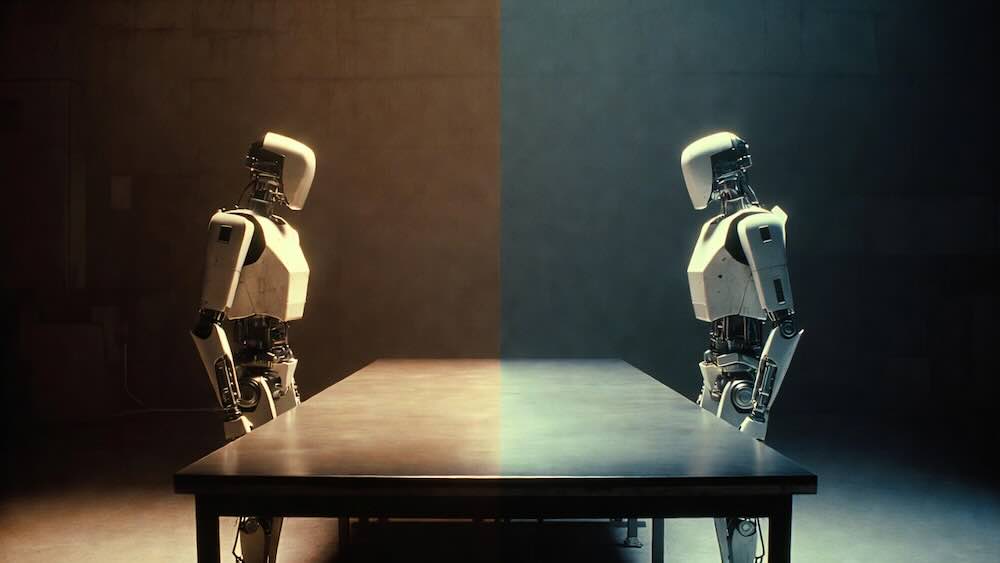
China has surged ahead in the global humanoid robot industry, with Chinese companies accounting for more than 90% of worldwide sales and shipping thousands of units in the past year. The boom is fueled by decades of government-backed industrial policy, strong manufacturing infrastructure, and growing AI capabilities. Meanwhile, Tesla and other U.S. firms are still working toward large-scale deployment of humanoid robots such as Tesla’s Optimus, which is not expected to launch commercially until at least next year. Despite China’s early lead, analysts say the race is far from over, with software, partnerships, and real-world deployment likely to determine who ultimately dominates the robotics market.
Why It Matters: Humanoid robots could transform industries ranging from manufacturing and logistics to home care and retail. China’s dominance in production and scale mirrors how it previously overtook global competitors in electric vehicles and solar panels. If the same pattern repeats in robotics, the country could control a major share of the next wave of automation technology and the economic power that comes with it.
Opinion: Right now the scoreboard clearly favors China — but robotics history suggests that mass production alone doesn’t guarantee long-term leadership. The real winners will likely be the companies that crack reliable autonomy, useful real-world tasks, and affordable deployment. Tesla’s software-first approach and integration with its AI and autonomy stack could still make it a serious contender. In other words, China may be winning the robot manufacturing race today, but the intelligence running those robots may decide the final outcome.
https://restofworld.org/2026/china-tesla-robot-race/