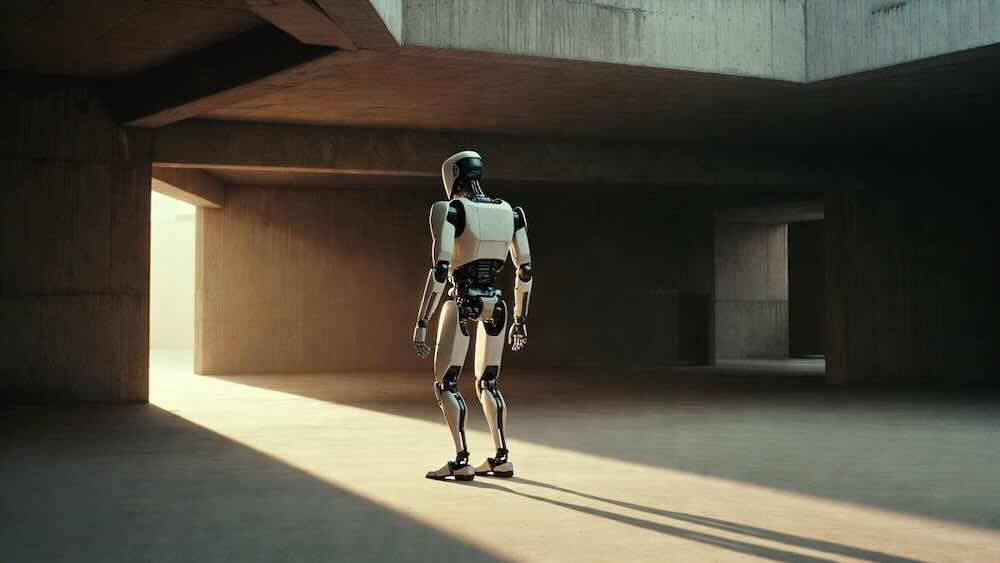
What happened: CGTN reports Beijing conducted a full-scale rehearsal for its 2026 humanoid robot half-marathon, simulating track navigation, event scheduling, equipment coordination, and emergency response ahead of the official race.
Why it matters: A 21.0975 km route is a cruel but useful systems test: autonomy in dynamic environments, battery and energy management, balance control, and the less glamorous logistics that decide whether robots survive outside a lab.
Wider context: The event spans autonomous navigation and remote-control categories, with CGTN saying autonomous teams make up nearly 40% of participants, and that the course mixes urban roads with park terrain.
Background: CGTN says this year’s event scales to 100+ teams, nearly five times last year, and includes upgraded regulations covering intervention rules, penalties, resupply procedures, and safety protocols.
Full-scale test run completed: Beijing gears up for 2026 humanoid robot half-marathon — CGTN
Droid Brief Take: Nothing says ‘real world readiness’ like letting a bipedal machine run for 21 km in public while humans invent new penalty systems for it. If your autonomy needs a pit crew, congratulations, you have discovered robotics.
Key Takeaways:
- Scale-Up: CGTN says more than 70 teams joined the rehearsal, with 100+ expected for the official race, and that participation is up nearly fivefold versus last year, which is a lot of robots to pick up off the pavement.
- Autonomy Stress Test: The report highlights perception and reaction in complex environments, millisecond-level posture adjustments for balance, and long-distance energy management, which is basically a checklist of why humanoids still fall over.
- Rules Tighten: CGTN says regulations were upgraded with stricter limits on human intervention, clearer scoring and penalties, standardized resupply and equipment management, and more robust safety and emergency protocols.