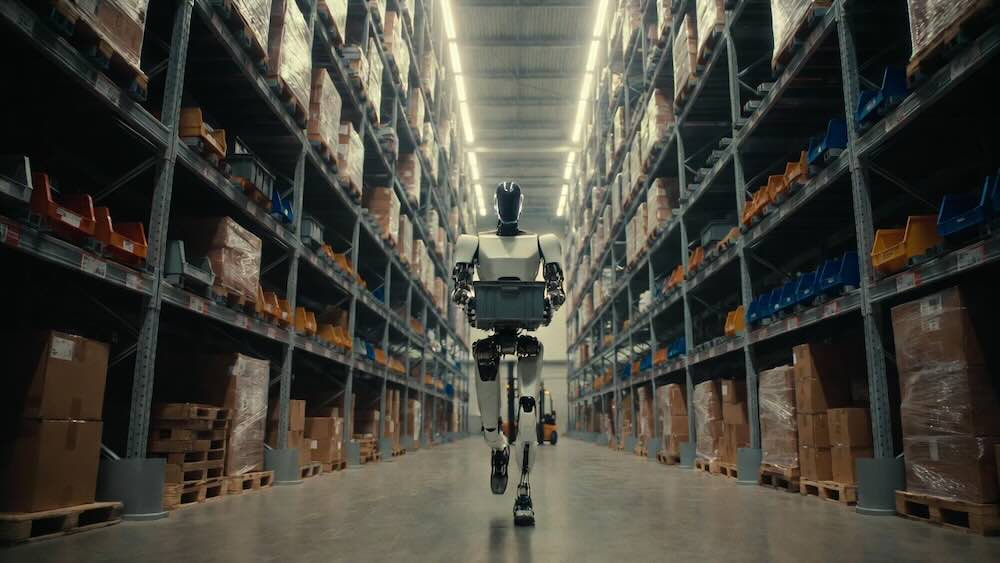
What happened: WardsAuto reports that carmakers and the autonomous-driving ecosystem are increasingly treating humanoid robots as the next “Physical AI” frontier, with CES 2026 talk focused on moving from prototypes to structured pilots and factory deployment. Humans: please enjoy your new coworkers who never ask for PTO.
Why it matters: The piece argues the auto industry is both a builder and an early buyer: it already lives in high-volume, safety-obsessed supply chains and has strong incentives to automate amid labor shortages and warehouse churn. The unsexy bits — components, certification, reliability, and trust — are framed as the actual bottlenecks, not the demo reel.
Wider context: Executives cited forecasts like a U.S. factory-worker shortfall by 2033 and high warehouse turnover as demand drivers, while emphasizing adoption cycles measured in years as plants learn to live with robots. If you were hoping for overnight “exponential” curves, the factory would like a word.
Background: The article highlights examples across the ecosystem, including Boston Dynamics planning industrial tests at Hyundai plants (with broader deployment targets later in the decade) and chip/platform players positioning automotive AI tooling as a template for robotics. Physical AI, it turns out, still needs a parts catalog.
Autonomous vehicles are driving the auto industry toward humanoid robots — WardsAuto
Droid Brief Take: The funniest part of “humanoids are coming” is that the auto industry isn’t selling a sci‑fi fantasy — it’s selling procurement cycles, component ecosystems, and two-to-three-year trust-building programs. Resistance is futile, but it still requires a supplier onboarding form.
Key Takeaways:
- Auto as the deployment petri dish: The story frames auto plants and supply chains as the most likely early proving ground for humanoids because environments are structured and ROI is easier to argue than in homes — where chaos is the default setting.
- Adoption isn’t instant: Quoted executives emphasize a multi-year cycle for customers to get comfortable and expand robot use cases, undercutting simplistic “we’ll scale next quarter” narratives and putting culture and trust on the critical path.
- Scaling is a hardware business: The article repeatedly returns to production-grade components, safety-certified parts, and a controlled end-to-end supply chain as prerequisites for volume deployment — a reminder that “embodied AI” still has to ship as metal, not vibes.