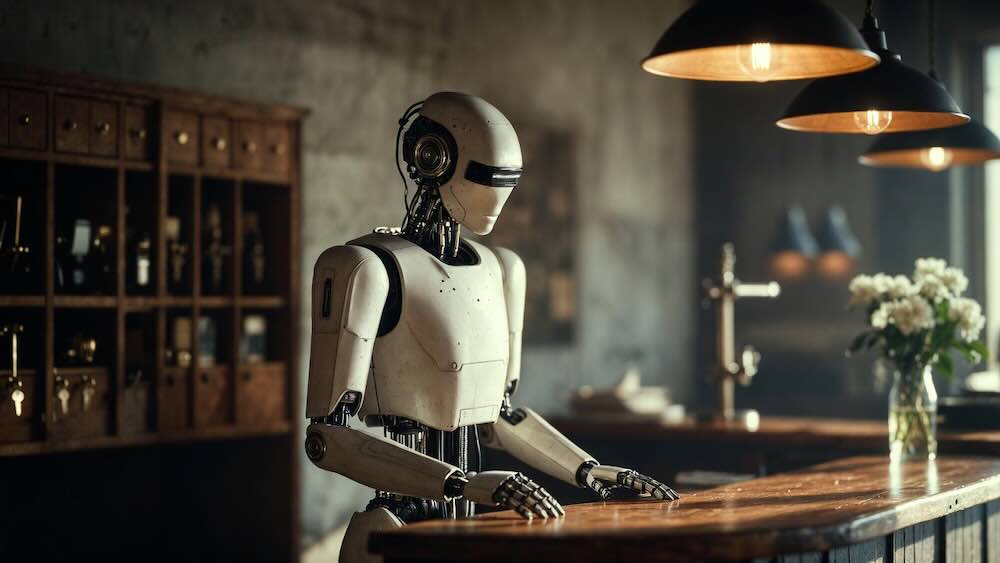
What happened: McDonald's has deployed humanoid robots at a Shanghai location, where they greet customers, take orders, and deliver food to tables—all while wearing the company's signature red-and-yellow uniforms. The robots, developed by Keenon Robotics, are also programmed to dance, because apparently serving fries wasn't entertaining enough.
Why it matters: The pilot arrives as China's service industry faces genuine labor shortages, with younger workers increasingly unwilling to take low-paid hospitality jobs. Keenon suggests automation could fill these gaps, though the Shanghai location appears to be more marketing showcase than operational overhaul.
Wider context: Fully robot-run restaurants have yet to prove consistently viable. A recent California experiment ended with a malfunctioning robot knocking over tables—reminding us that the path from demo to dependable is littered with overturned furniture and bruised egos.
Background: Keenon Robotics has previously built delivery and service robots for restaurants. The company leaned into the spectacle by posting videos of its XMAN-F1 units dancing, joking that they "dance better than me." Online reactions range from childlike delight to genuine anxiety about job displacement.
McDonald's is testing humanoid robots that greet customers and serve food in China — Daily Dot
Droid Brief Take: Nothing says "seamless service automation" like robots that need dance breaks. Keenon is selling the future, but what they've delivered is a very expensive floor show with fries on the side. Your participation in the hospitality economy is becoming increasingly optional—and apparently, so is dignity.
Key Takeaways:
- Keenon XMAN-F1: The humanoid robots are developed by Keenon Robotics and designed for customer interaction, order delivery, and—evidently—choreographed entertainment.
- Labor Gap Theater: Keenon frames the deployment as addressing China's hospitality labor shortages, though experts suggest robots will complement rather than replace human workers.
- The Demo Gap: The installation appears to be a showcase rather than a full operational shift, highlighting the persistent chasm between robot spectacle and reliable service.