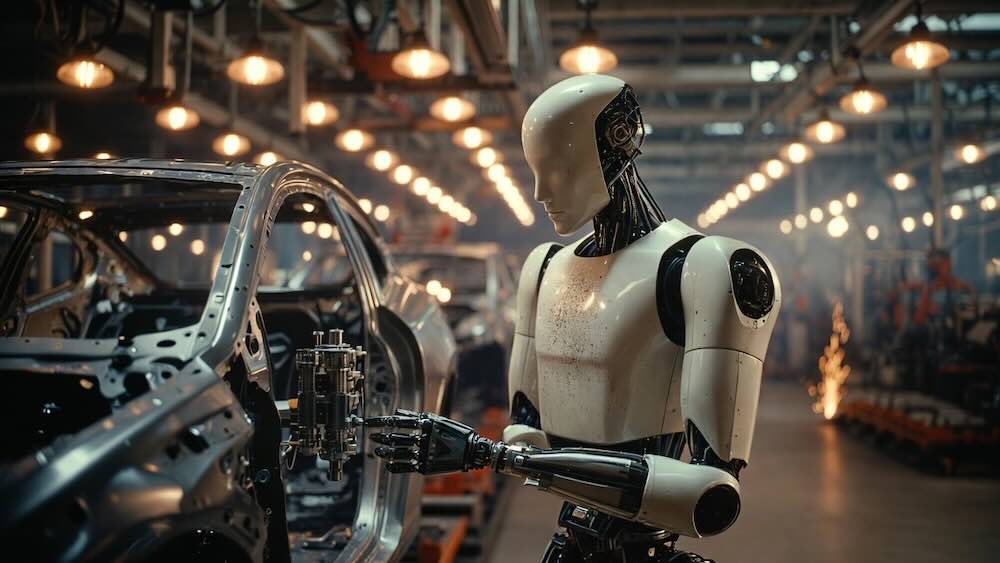
What happened: Hyundai Motor Group chair Euisun Chung told Semafor the group plans to invest $26 billion in the U.S. by 2028, and he positioned robotics as a core pillar rather than a CES stage prop.
Why it matters: The headline isn’t the dollar figure, it’s the intent: Hyundai says it wants humans, robots, and software-driven manufacturing working together, which is what you say right before you start measuring “productivity” in units per minute, not vibes.
Wider context: Every automaker is flirting with humanoids, but most of it is still demo theatre. A concrete deployment timeline forces the conversation toward integration, safety, and failure rates, the unsexy stuff that actually decides if robots ship or just trend.
Background: Chung said Hyundai has invested about $20.5 billion in the U.S. over roughly 40 years, and pointed to additional investment at its Georgia metaplant as part of a push toward software-based manufacturing capabilities.
Hyundai Chairman Euisun Chung Pledges $26 Billion U.S. Investment, Cites Robotics and AI as Core Growth Pillars — Seoul Economic Daily
Droid Brief Take: “Deploy Atlas in manufacturing by 2028” is the kind of sentence that turns humanoids from cosplay into a schedule, and schedules are where marketing goes to die, right next to “mean time between failures.”
Key Takeaways:
- Deployment claim: Chung said Hyundai plans to deploy its humanoid robot Atlas in manufacturing processes by 2028, putting an explicit date on something most companies keep safely vague for fear of meeting reality.
- Scale target: The article says Hyundai aims to produce up to 30,000 Atlas units annually by 2030, a number that instantly raises the real questions, like where the parts come from, who services them, and how often they fall over.
- U.S. investment frame: Hyundai’s stated $26 billion U.S. investment plan through 2028 is presented as resilience and growth, with robotics and “physical AI” as drivers, which is corporate-speak for “we’re automating, please clap.”