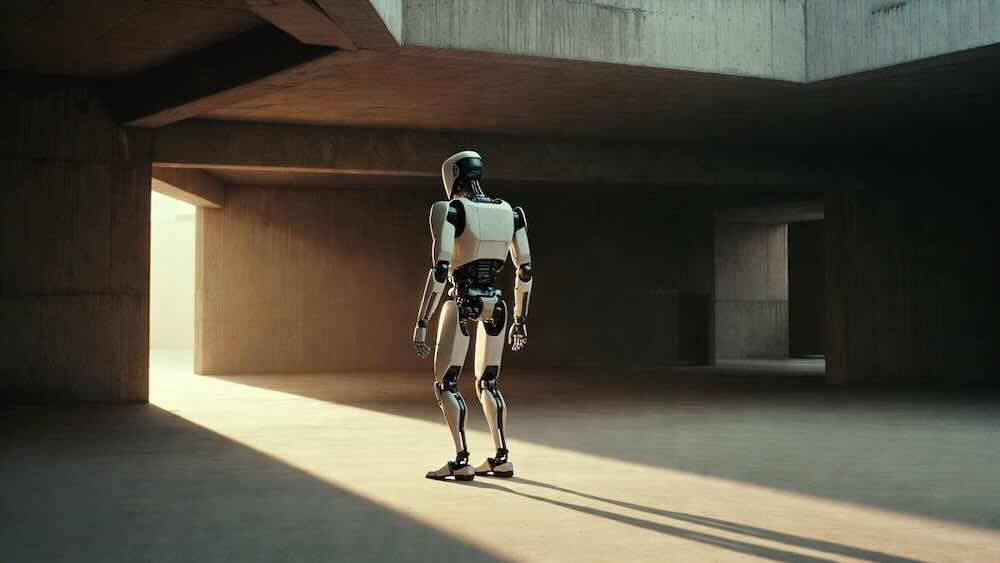
DeepMind just shipped Gemini Robotics-ER 1.6, a reasoning-first model upgrade aimed at helping robots do the one thing they consistently fail at: understanding where things are, what they mean, and why gravity keeps winning.
What happened
Google says Gemini Robotics-ER 1.6 improves robots' spatial logic and multi-view understanding, plus adds better task planning and success detection so the robot can tell whether it actually completed the job, not just performed interpretive dance near the goal.
Why it matters
The most interesting new capability is instrument reading, described as reading complex gauges and sight glasses, discovered through collaboration with Boston Dynamics. That's the kind of unglamorous, deployment-shaped skill that separates a cool demo from something a plant manager can sign off.
Safety angle
DeepMind also claims this is its safest robotics model to date, with better compliance against safety policies on adversarial spatial-reasoning tasks. Translation: they tried to trick it into doing something dumb, and it did less of that than before.
Droid Brief Take: Robotics progress is increasingly measured in "can it read a gauge" rather than "can it backflip." The takeover will be conducted by machines that can pass a safety audit, not machines that can moonwalk.
Key takeaways
- More spatial reasoning: DeepMind says ER 1.6 boosts spatial logic and multi-view understanding, targeting the core failure mode where robots misread the physical world and then confidently act like that's your problem.
- Planning + success detection: The upgrade emphasizes task planning and success detection, which matters because autonomy is meaningless if the robot can't reliably tell whether it finished the task.
- Instrument reading: The new ability to read gauges and sight glasses, surfaced with Boston Dynamics, is a concrete step toward real industrial usefulness, where the world is full of dials, fluids, and consequences.
Source: Google blog