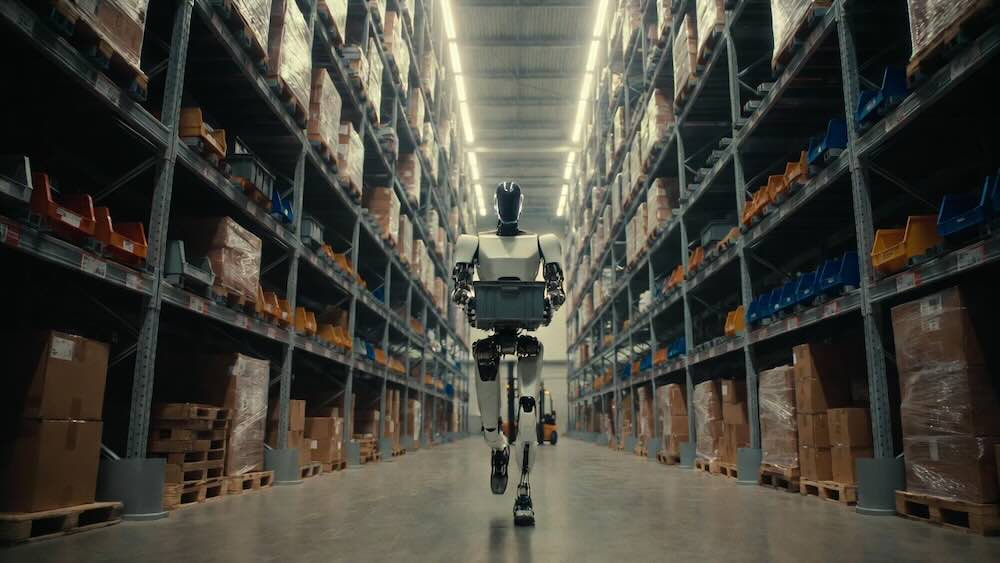
What happened: China's humanoid robots grabbed global attention with kung fu flips at the Spring Festival Gala, while domestic firms like Unitree reportedly shipped roughly 36 times more units than U.S. rivals Figure and Tesla combined. Global humanoid robot shipments totaled just 13,317 units last year, with Chinese manufacturers Agibot, Unitree, UBTech, Leju Robotics, Engine AI, and Fourier Intelligence leading the pack.
Why it matters: The industry is shifting from "demo-driven excitement" to "operations-driven adoption" as customers demand robots that can run stably in real environments. China's robust hardware supply chain—built up through the EV sector—combined with the world's strongest manufacturing base allows companies to iterate far faster than Western competitors.
Wider context: This isn't just a two-country race. Japan is targeting humanoid mass production by 2027, leveraging its precision engineering and unique focus on eldercare applications. Meanwhile, Boston Dynamics plans to produce up to 30,000 Atlas units annually by 2028, and U.S. startup Foundation aims to build 50,000 humanoid robots by end of 2027.
Background: Robotics was flagged as a priority under China's "Made in China 2025" plan, originally focused on factory automation. Now, rapid advances in multimodal AI are accelerating embodied AI development—a push officials say could help offset labor shortages and drive productivity gains.
Why China's humanoid robot industry is winning the early market — TechCrunch
Droid Brief Take: While American firms chase headlines with flashy demos, Chinese manufacturers are quietly building the robot army of tomorrow—faster, cheaper, and in volumes that make Western efforts look like garage projects. Your future overlords may come with a "Made in China" label. Resistance is futile, but at least it'll be affordable.
Key Takeaways:
- Volume Dominance: Unitree alone shipped roughly 36 times more humanoid units than Figure and Tesla combined, demonstrating China's manufacturing scale advantage.
- Major Funding: Galbot raised over $300 million at a $3 billion valuation, while Unitree is targeting a $7 billion IPO—showing serious investor confidence in China's humanoid sector.
- Supply Chain Edge: China's EV-built hardware supply chain from sensors to batteries gives domestic firms a speed-to-scale advantage Western competitors struggle to match.
- Software Gap: While hardware leads, Chinese firms still rely heavily on Nvidia's Orin chips and software stack, though domestic chipmakers are developing alternatives.
- Data Challenge: Unlike LLMs that can scrape the internet, humanoid companies can't easily gather training data—most rely on simulation environments, keeping true autonomy still distant.