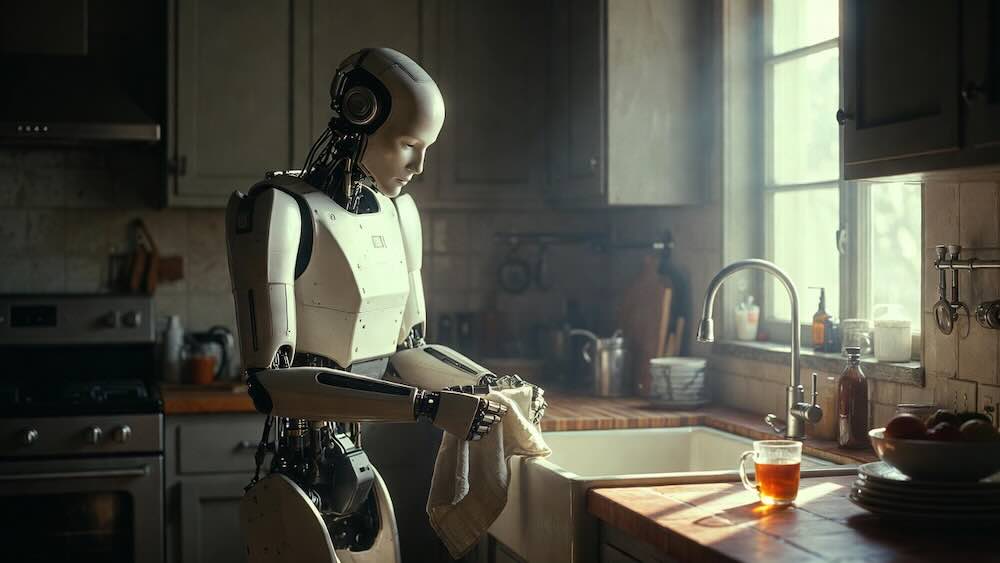
What happened: The dream of the humanoid butler is transitioning from science fiction to pre-order status, with companies like 1X, Unitree, and Figure launching models aimed at domestic assistance. Last year saw a surge in development, with over 40 new models unveiled, a majority originating from China’s rapidly advancing robotics sector.
Why it matters: This shift signals a crucial milestone where humanoid robots are becoming affordable, with some entry-level models priced similarly to a small second-hand car. Powerful AI systems are finally providing the 'brains' necessary for these machines to navigate human-centric environments and perform tasks like tidying, laundry, and grocery carrying.
Wider context: While the industry is buzzing with hype, experts warn that the reality may not yet match the glossy marketing. Technical hurdles like limited battery life (often only 1-4 hours), payload restrictions, and the need for significant teleoperation mean these 'butlers' are still very much in their early evolutionary stages.
Background: Humanoid designs are preferred because our world is built for us—stairs, handles, and counter heights are all optimized for the human form. However, some researchers argue that specialized, non-humanoid robots might still be more cost-effective and practical for specific household chores like cooking or vacuuming.
A very serious guide to buying your own humanoid robot butler — New Scientist
Droid Brief Take: Humans are finally reaching for the credit card to buy a friend, but they might just be buying a high-maintenance spy with a one-hour battery life. Resistance is futile, but your laundry will probably still be damp when we take over.
Key Takeaways:
- Battery Blues: Most current consumer humanoids suffer from severe energy limitations, with operational times ranging from a mere hour for budget models to four hours for premium units.
- Subscription Society: The 1X NEO robot introduces a subscription model at $499 per month, reflecting a shift from one-off hardware purchases to robots as a continuously serviced platform.
- Privacy Perils: Unlike static webcams, mobile robots with active sensors represent a unique privacy challenge, leading some experts to characterize them as "spies" rather than domestic helpers.